









Many ETRM replacements fail in the same way. Not with a failed deployment. Not with a technology that couldn’t do the job. Not with a vendor that became unresponsive. Those failures can happen, but the more common failure is quieter. It’s a project that ships on time, on budget, and on spec, and still leaves the team exactly where they started.
The system works. It just also happens to be the same system they had before, rebuilt in a new platform, carrying forward every workaround and edge-case customization the old system had accumulated over time.
At PCI’s recent INFOCUS user conference, Ørsted Americas Onshore were generous enough to walk us through how they fell into, and got out of this exact situation, to get their ETRM implementation back on track.
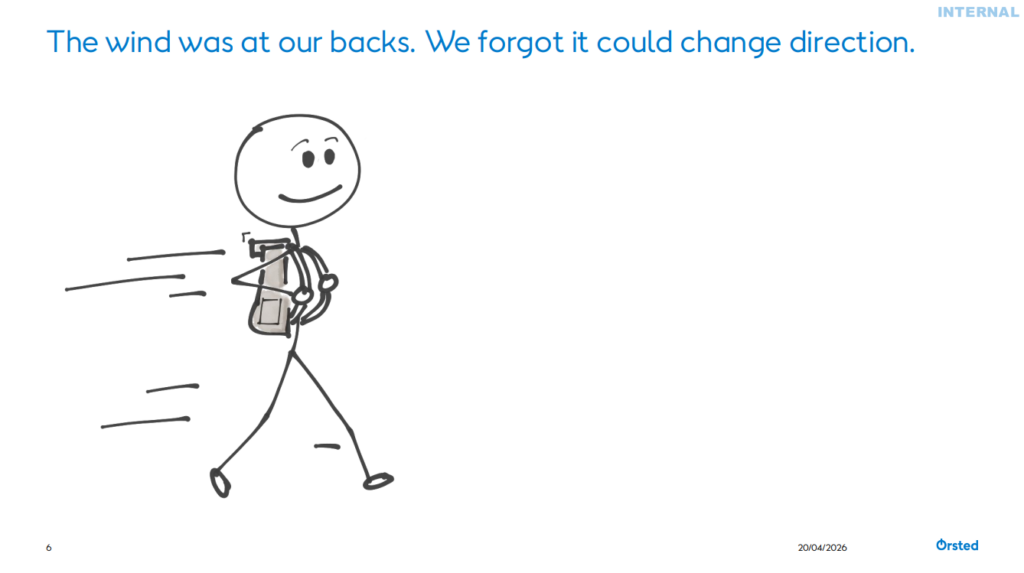
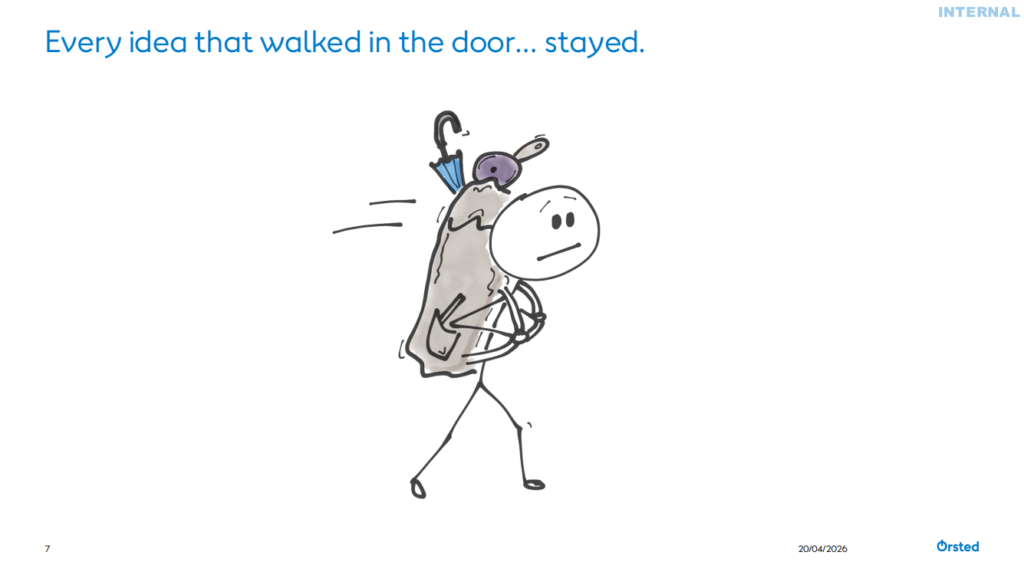
Credit: Søren Fansher Holten Hansen, Head of Asset & Trading Risk for Americas Onshore, 2026 PCI INFOCUS
Getting it right beats getting it done
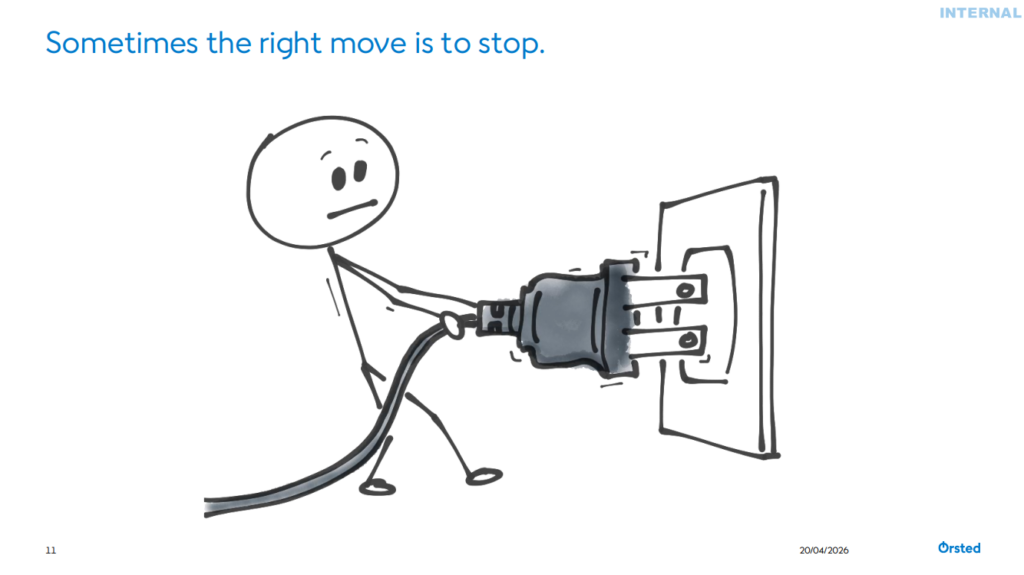
Ørsted’s first attempt to replace their ETRM failed. This wasn’t a PCI project, it was a project with a different vendor that got about 25% of the way through before Søren Fansher Holten Hansen, Head of Asset & Trading Risk for Americas Onshore, and his team scrapped it.
“There were two major problems with it,” Hansen told the INFOCUS audience. “One was that technically it didn’t deliver what was promised. I think we could have maybe been able to get into a place where it worked good enough, but crucially, we didn’t basically trust the people who were sitting across from us at the table.”
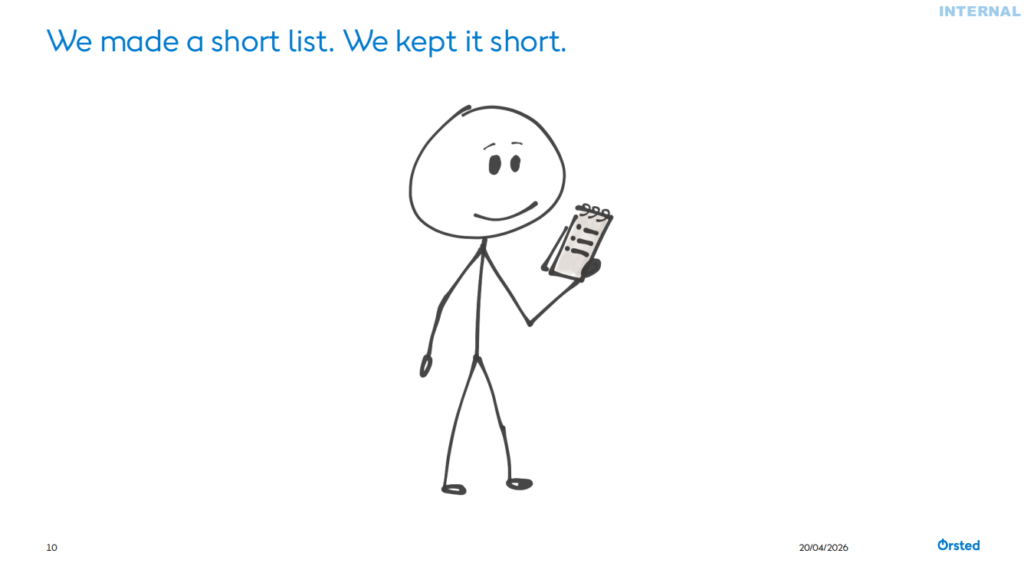
This set the stage for a second, harder question the team had to answer before restarting: what were they going to kill in their approach the second time around?
Søren Hansen discussed Ørsted’s ETRM modernization journey in depth in a recent webinar with Utility Dive. Request access to the webinar.

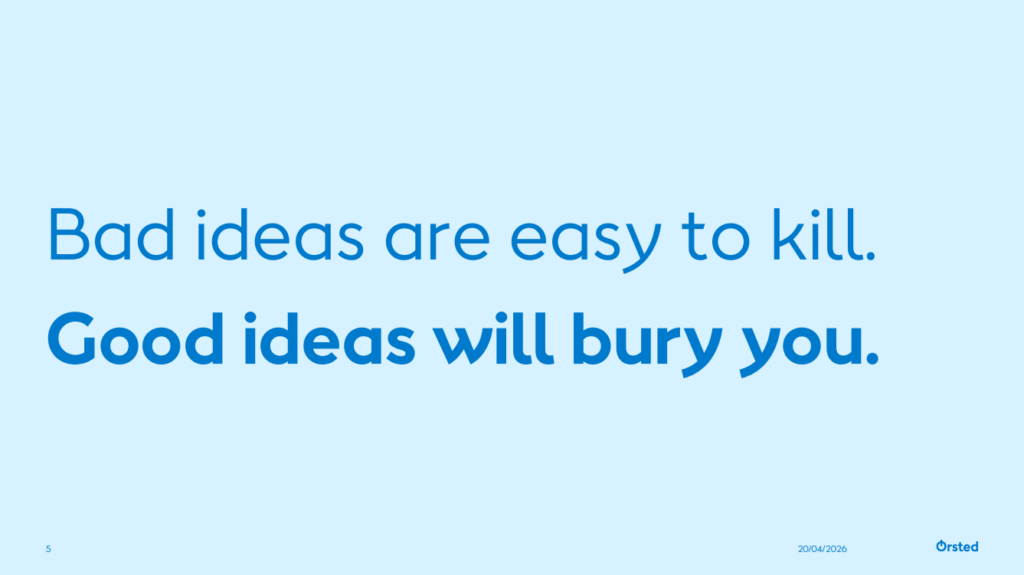
‘We are great people at Ørsted. A lot of great ideas.’
The original Ørsted ETRM (the one before the failed upgrade) didn’t need replacing because of any single bad decision. It needed replacing because of many reasonable-at-the-time decisions that added up to an overly-complex system. A system that nobody could fully understand or safely change.
Every feature request arrived with a rationale. Each addition made sense in isolation. Cumulatively, they produced an environment where, Hansen said, “what used to take a sprint now took a committee, what used to take a week took a month, and what took a month now took years.”
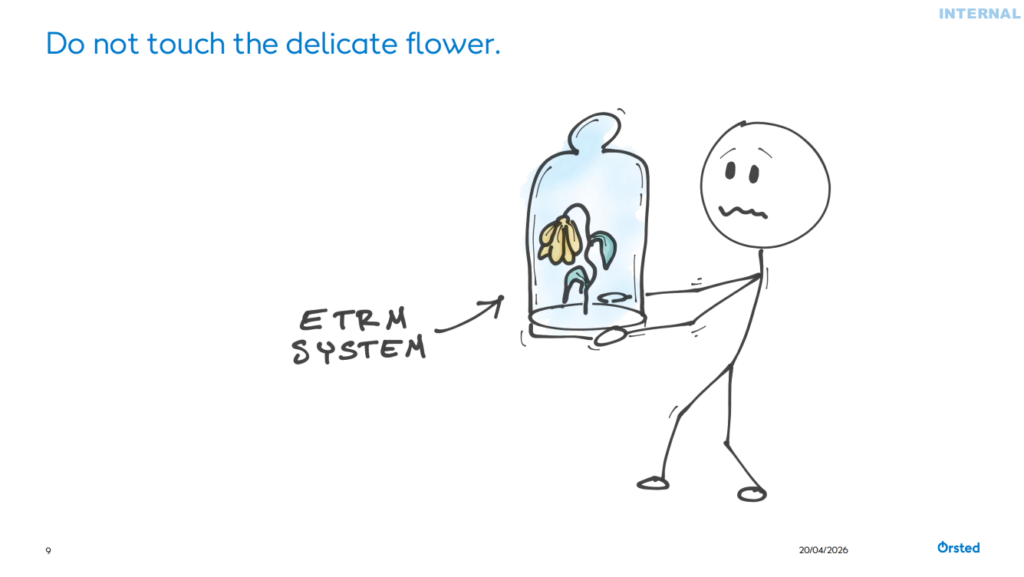
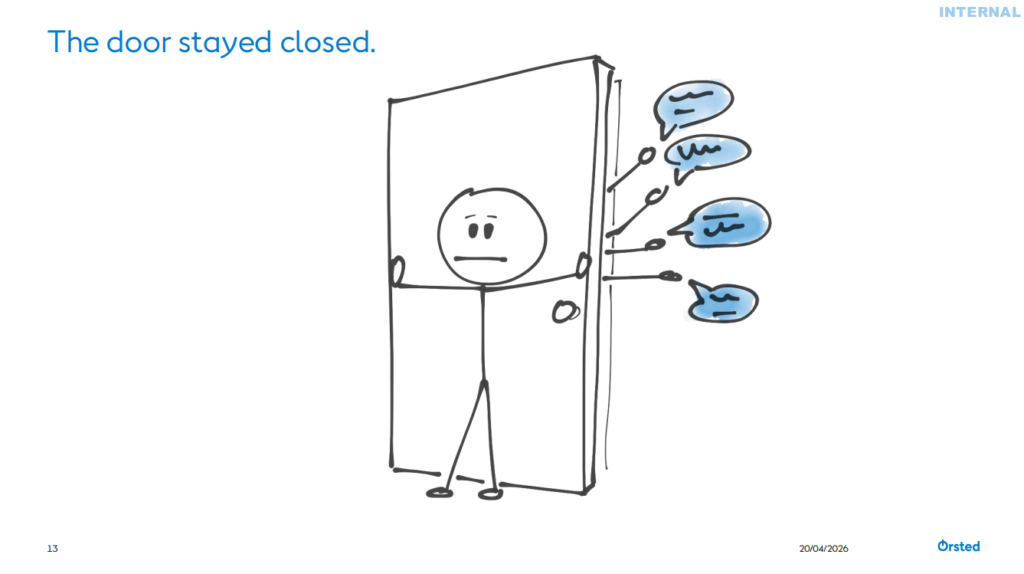
Eventually the team stopped trying to make changes to their ETRM at all.
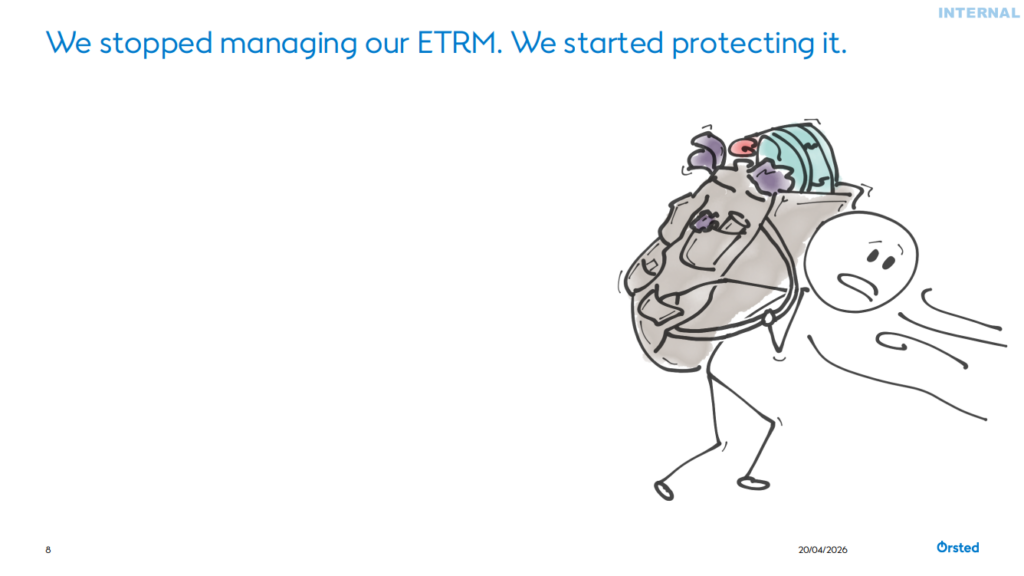
“We stopped actually managing our system and we started protecting it,” Hansen said. For an entire year, Ørsted made no changes to its U.S. ETRM. Not because the business didn’t need them. Because the team couldn’t predict what impact it might have, or would break.
So when Ørsted restarted the replacement with PCI, the hardest discipline wasn’t in the software. It was in the team and their approach.
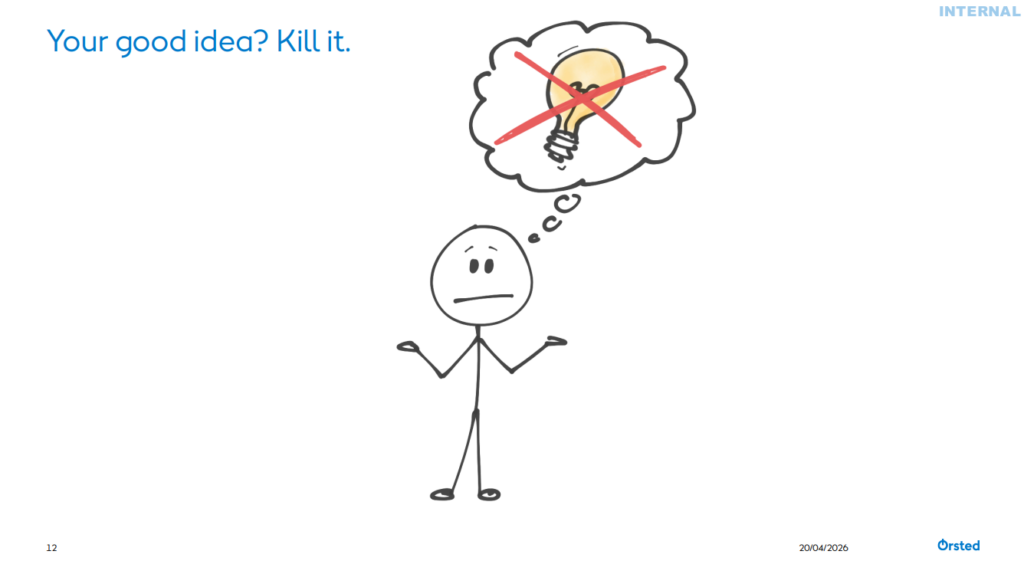
“It was a crucial design criteria for us implementing PCI that whenever anybody at Ørsted had a great idea, it had to be shot down immediately,” Hansen said. “We are great people at Ørsted, a lot of great ideas. But we also had a little bit of a tendency to take whatever we saw out there and then tweak it just a little bit to make it really perfect for us. And this is part of what I believe has led us to having a system that ultimately couldn’t work anymore.”
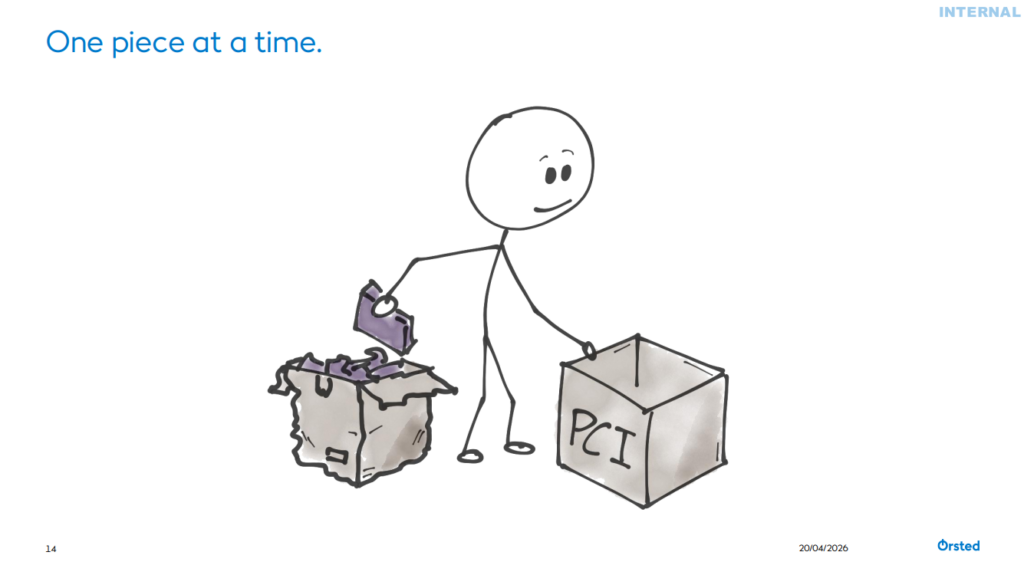
The new rule was simple. Implement the out-of-the-box solution first. Have the good-ideas conversation after go-live, not during.
The out-of-the-box discipline is about sequence, not scope
This discipline required Ørsted to accept, for the duration of the project, that the implementation phase wasn’t the moment to encode every nuance of their business. It required telling smart, senior people that their smart, senior idea would wait. Most of all, it required the team to ask the harder questions: not “how do we rebuild the workflows we already have?” but “are these the right workflows in the first place?” Replacement projects that skip those questions end up re-encoding the same processes in a new platform. The software changes. The way the team works doesn’t.
What it did not require was giving up the right to customize, ever. PCI’s platform is one of the most configurable ETRM solutions on the market. Ørsted’s team knew that going in and it gave them the confidence to afford the discipline of waiting to customize until they had a strong foundation.
“If it works for everybody else, it probably also should work for us,” Hansen said. That’s a idea to hold onto when good ideas are arriving from every angle. It gets easier when you know the flexibility will still be there six months later, when your team really understands the system well enough to customize it intelligently.
The out-of-the-box discipline, in other words, isn’t about what you configure. It’s about when.
What the sequence unlocked
Ørsted’s team now reports spending twenty percent of their time wrangling data and eighty percent analyzing it, a reversal of where they were before. Their end-of-month risk and middle-office process runs in ten minutes. They’ve decided to expand to PPA settlements on the PCI platform, the kind of customization that might have been premature during the initial build but makes sense now that the foundation is clean and understood.
They describe risk reporting, in Hansen’s words, as “a continuous creative process” that the data foundation now supports.
What’s in the full Ørsted case study
- The data foundation: the architecture, ISO connections, SAP and price database integrations
- Five compounding wins: from streamlined workflows to the 80/20 inversion
- Four lessons for peer IPPs: including why the data foundation is a selection criterion, not a nice-to-have
- Three-phase staged go-live: ICE trades, ISO trades, gas congestion products, and the parallel-system approach
The backpack was lighter the second time
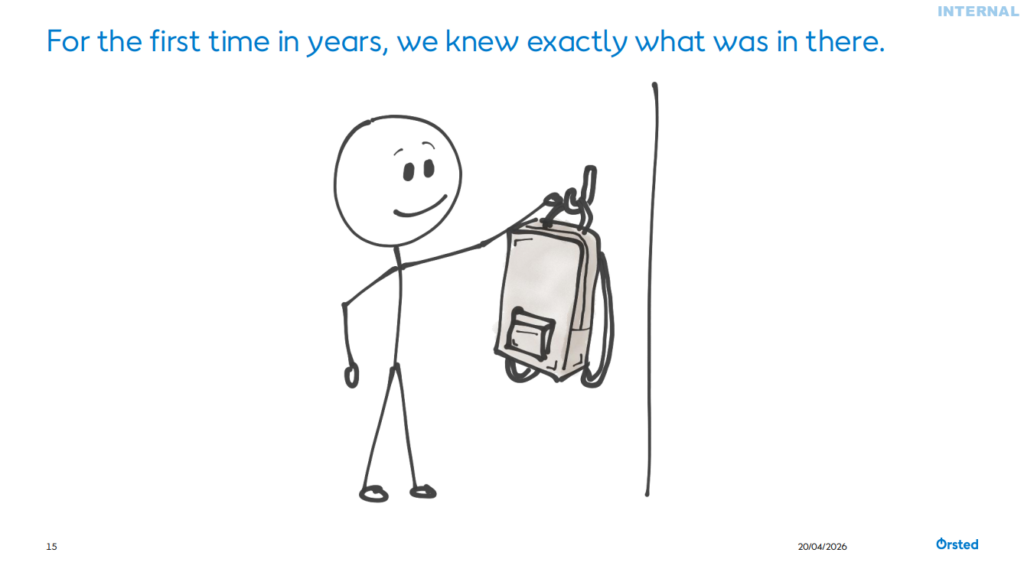
One of the metaphors Hansen used at INFOCUS stuck with me. Partway through his talk, after he’d walked through the complexity that had buried the original system, he came back to that backpack.
“It’s lighter this time,” he said. “We know exactly what we have now.”
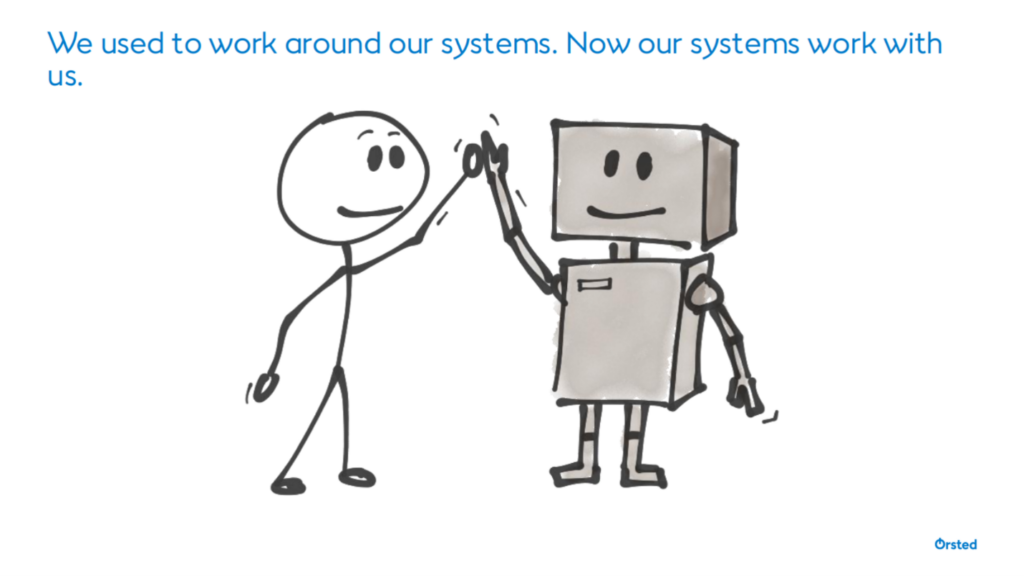
Credit: Søren Fansher Holten Hansen, Head of Asset & Trading Risk for Americas Onshore, Ørsted, INFOCUS 2026
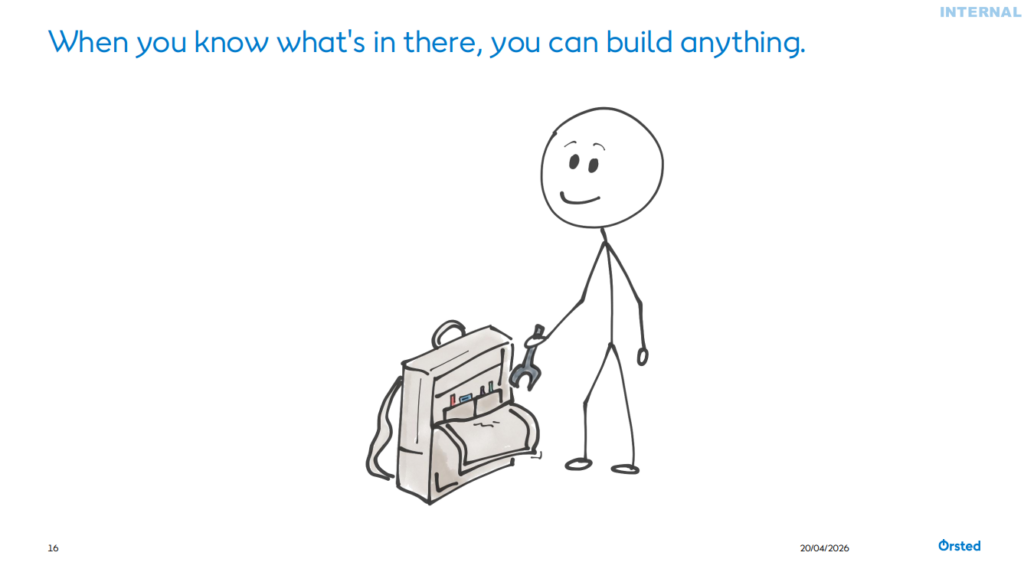
The weight in a replacement team’s metaphorical backpack is made up of all of the good ideas that they couldn’t bring themselves to leave behind. When you hike without them, you sometimes discover that you didn’t need half of them anyway. Ideas are light. They cost nothing to put back in. Software is heavy. Every custom workflow you build in becomes a dependency, and the whole thing gets harder to carry over time. That’s why the smart move is to start light and add only what you actually miss.
Ørsted’s lesson isn’t that those good ideas were wrong. It’s that you can’t rebuild the foundation while still carrying the old one. The good ideas get their turn. The platform they chose will support every one of them when their turn comes.